
Historic sites
Albania's history in 2027 — ancient Butrint, the UNESCO old towns of Berat and Gjirokastër, and Cold-War bunkers.
Albania layers Greek, Roman, Ottoman and Communist history within short drives of the beach. The must-see is Butrint, a UNESCO archaeological park on a lagoon just south of Ksamil — easy to pair with a Riviera beach day. Inland, Berat ("city of a thousand windows") and Gjirokastër (the "stone city") are both UNESCO old towns you can walk in half a day each. Around Tirana and the coast, the Cold-War bunkers and Bunk'Art museums tell the Hoxha-era story.
For 2027, visit Butrint early morning or late afternoon to dodge both heat and cruise groups. The listings below lead with the best-rated sites; open one for opening hours and whether it's worth the detour.
 4.7
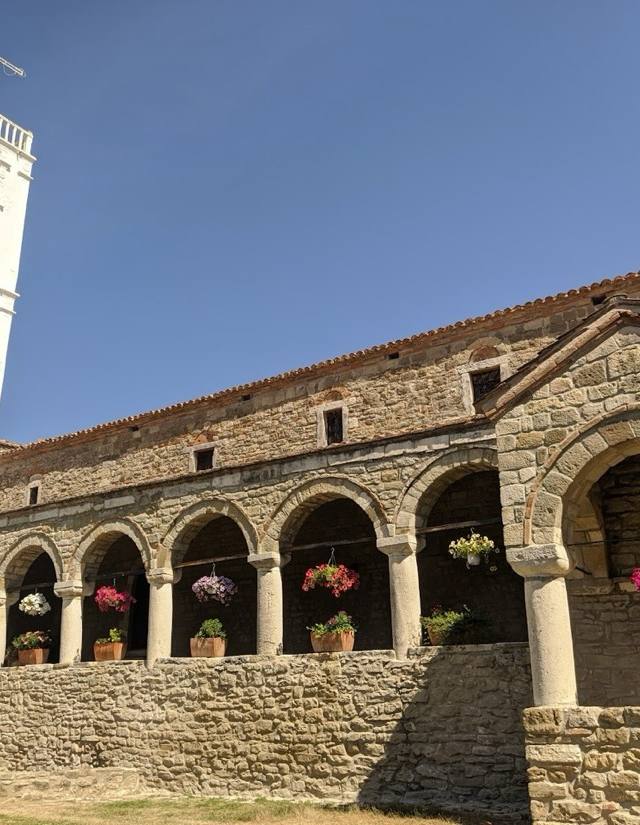
Ardenica Monastery
Set among gardens and open countryside, Ardenica's Orthodox monastery owes part of its survival to an unlikely fact: it was reportedly the wedding venue of Skanderbeg himself, a connection locals still bring up with pride. The church at its heart holds biblical frescoes that visitors linger over, and entry runs on donation alone, though you may need to knock at the gate for someone to let you in. A short stop on the road back to Tirana, it rewards those who take the time — even if, as a few note, only the church interior is open to wander, not the wider monastery grounds.
 4.7
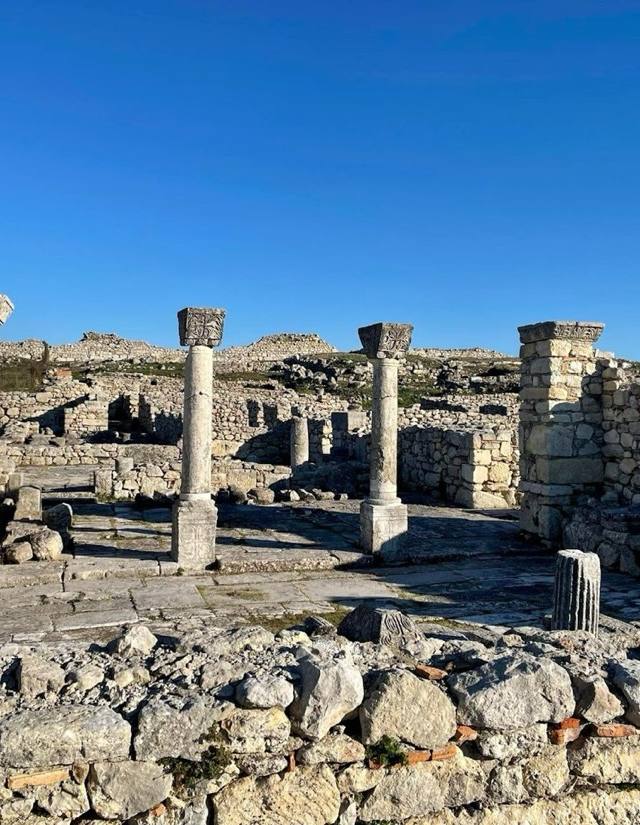
Bylis
Perched above the Vjosa valley with sightlines to Mount Tomorri, Bylis is arguably Albania's most important Illyrian site, its cyclopean walls enclosing a theatre, basilica and forum from the Greco-Roman era. Visitors consistently note how few other travellers they meet here compared with Apollonia or Butrint, and how the near-total absence of crowds lets the scale of the ruins sink in. The park is well kept, though the printed map handed out at the ticket office is small and easy to misread against the sprawling terrain, so budget extra time to simply wander and get lost among the stones.
 Berat4.6
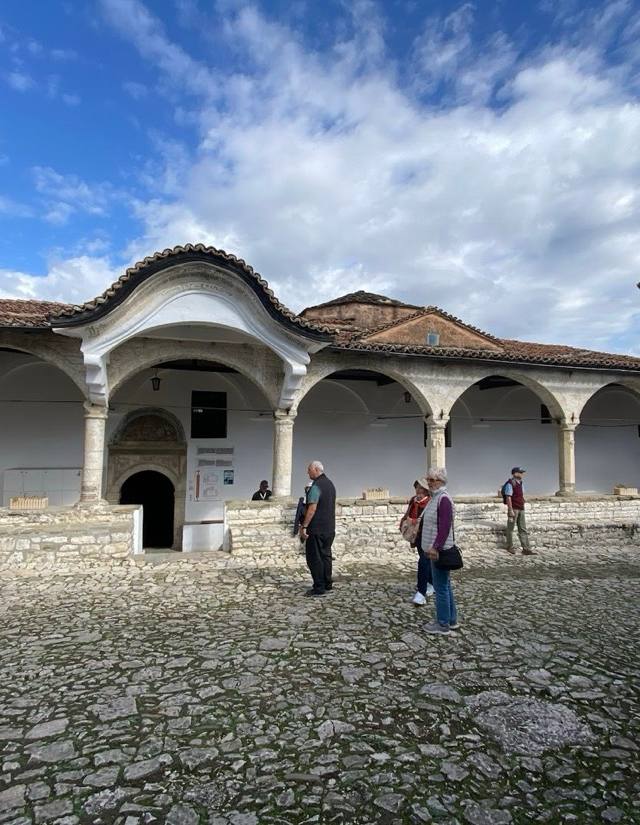
Onufri Iconography Museum
Housed inside a church within Berat Castle — reputedly the largest fortress complex in the Balkans — this museum gathers Byzantine and post-Byzantine icons under the same roof where they were originally venerated, a rare sense of place among religious art museums. The combination of church and gallery across two floors creates what visitors call a genuine feeling of grandeur, heightened by an audio guide reviewers single out for its well-chosen music. Admission runs 400 lek, and at 4.6 from over 850 reviews, it's among the most praised stops within the castle walls.
 Korçë4.6
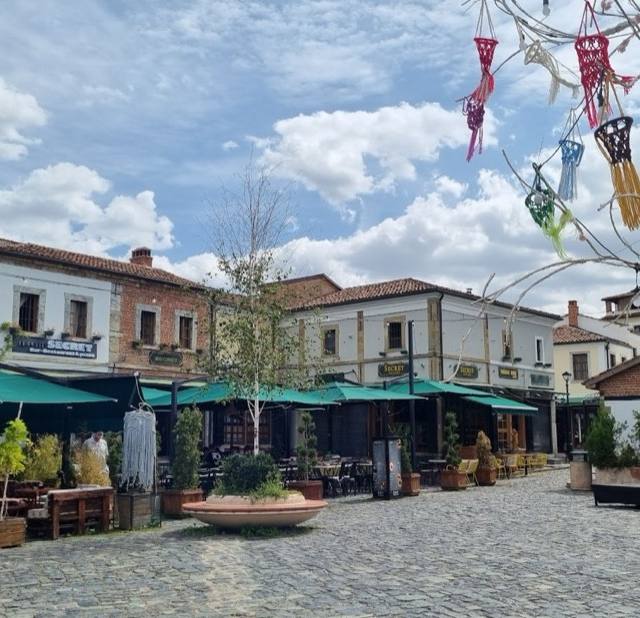
Old Bazaar of Korçë
Korçë's Ottoman-era bazaar has been rebuilt and prettified over the past fifteen years, yet it keeps the pull of a genuine trade quarter — locals still haggle over prices among the cobbled lanes lined with cafés and restaurants. Evenings bring an easy, sociable buzz, sometimes with live sets from Albanian bands near the square, and the terraces fill for coffee long after the shops have shuttered. With a 4.6 rating from more than 2,600 reviewers, it draws praise for that dual character — lively after dark, unhurried by day — and for boutique stays like Hani i Pazarit tucked among the old buildings.
 Tirana4.6
Bunk'Art 1
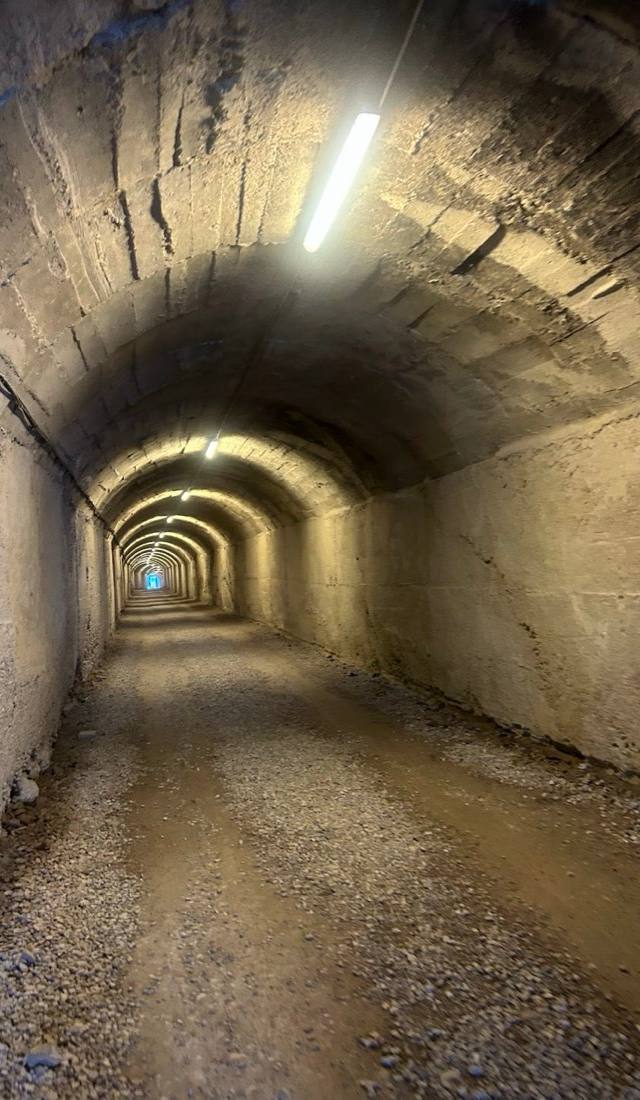
Dug deep into the hillside outside central Tirana, Bunk'Art 1 is the larger of the city's two Cold War bunker museums, its concrete corridors leading visitors through Albania's wartime experience under Italian and German occupation before turning to the decades of isolation that followed. The scale surprises most first-time visitors, and the recommended two-hour visit rewards those who make the trip out of the centre by bus rather than sticking to closer, smaller Bunk'Art 2. An audio guide is optional but widely recommended, and at 4.6 from over 4,500 reviews, it's among Tirana's most affecting museums.
 Sarandë4.6
Butrint Archaeological Site
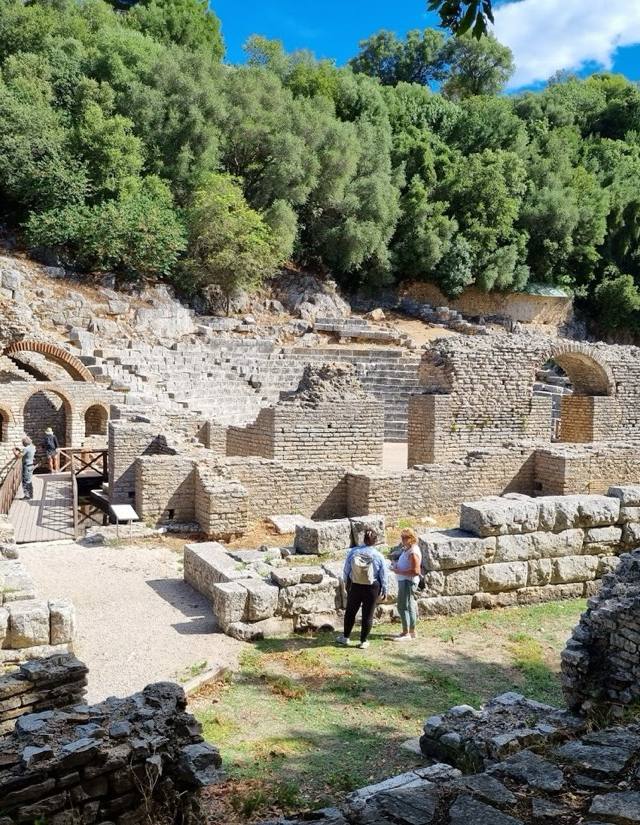
Arrive right at opening, before the tour buses fill the ancient theatre and baths — that is the rule regulars swear by at Butrint. Olive and fig trees shade a walled hilltop city where Greek, Roman, Venetian and Ottoman layers overlap, and the climb to Ali Pasha's keep rewards with a view over the lagoon that reviewers call the best in the riviera. A public bus from Sarandë's main square gets you there for a couple of euros, and the QR-coded trail through mosaics and basilica ruins takes a full two unhurried hours. Nearly 14,000 visitors have rated it 4.6 stars, and this UNESCO site earns every one.
 Tirana4.5
Et'hem Bey Mosque
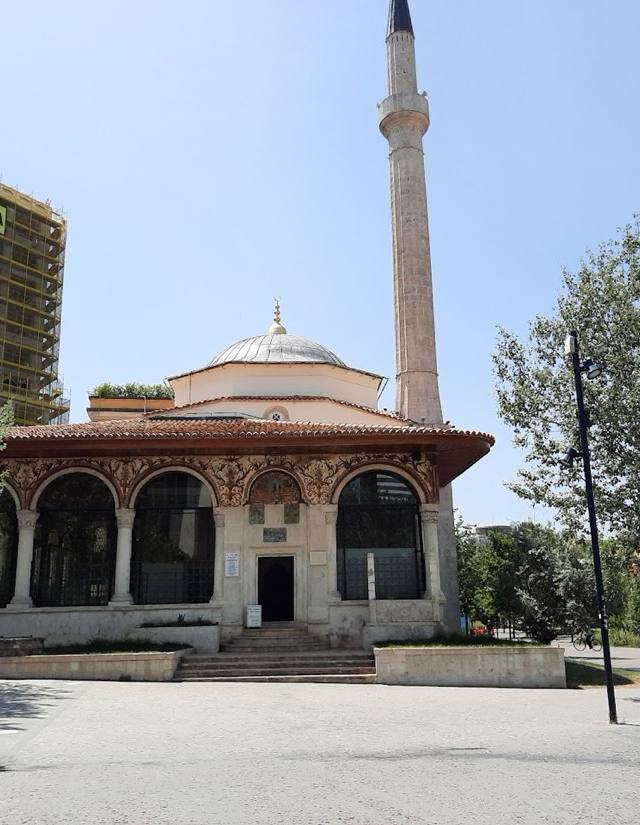
Standing directly on Skanderbeg Square, Et'hem Bey Mosque is among the very few Ottoman-era mosques in Albania to survive both the Second World War and the communist purge of religion, and its 18th-century frescoes are unusual for depicting landscapes, trees and flowers rather than the geometric patterns typical elsewhere in the region. Visitors repeatedly describe stepping inside as a shift in register — the noise of the square fades, replaced by an unexpected stillness. Guided tours run regularly, and even a short visit is enough to feel why it remains one of Tirana's most quietly significant landmarks.
 Tirana4.5
Skanderbeg Square
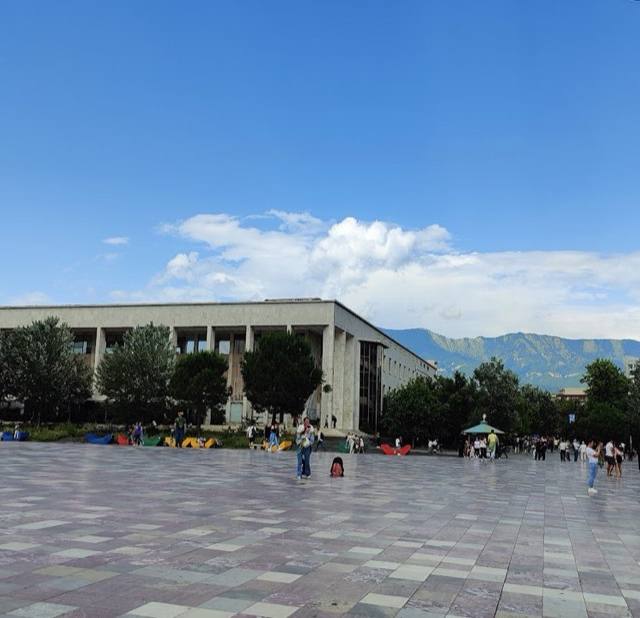
The vast stone-paved plaza at the heart of Tirana takes its name from the equestrian statue of Skanderbeg at its centre, ringed by the National History Museum, the Et'hem Bey Mosque and the clock tower — landmarks that together read like a condensed timeline of the city. Locals treat it as an everyday gathering point rather than a museum piece: free Wi-Fi draws lingering visitors, a giant Albanian flag flies at one edge, and a Christmas tree transforms the square each winter. With nearly 14,000 reviews and a 4.5 average, it's less a single sight than the stage where Tirana's daily life plays out.
 Shkodër4.5
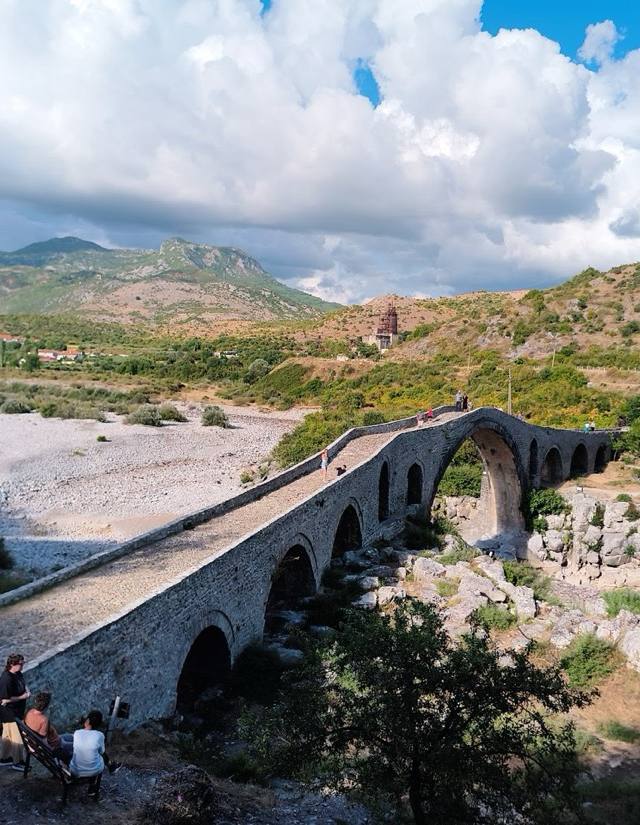
Mes Bridge
Built around 1770 across the Kir River outside Shkodër, this Ottoman stone bridge arcs higher and more elegantly than photos suggest, its longest span carrying foot traffic over water so clear the riverbed shows through. Locals and visitors alike come to swim below it in summer despite the cold, and cyclists route past on quieter tours through the surrounding countryside; a few travellers who arrive off-season find the riverbed dry instead, a reminder that the Kir's flow shifts with the year. With over 2,700 reviews and a 4.5 rating, it's one of northern Albania's most photographed spots — deservedly so.
 4.5
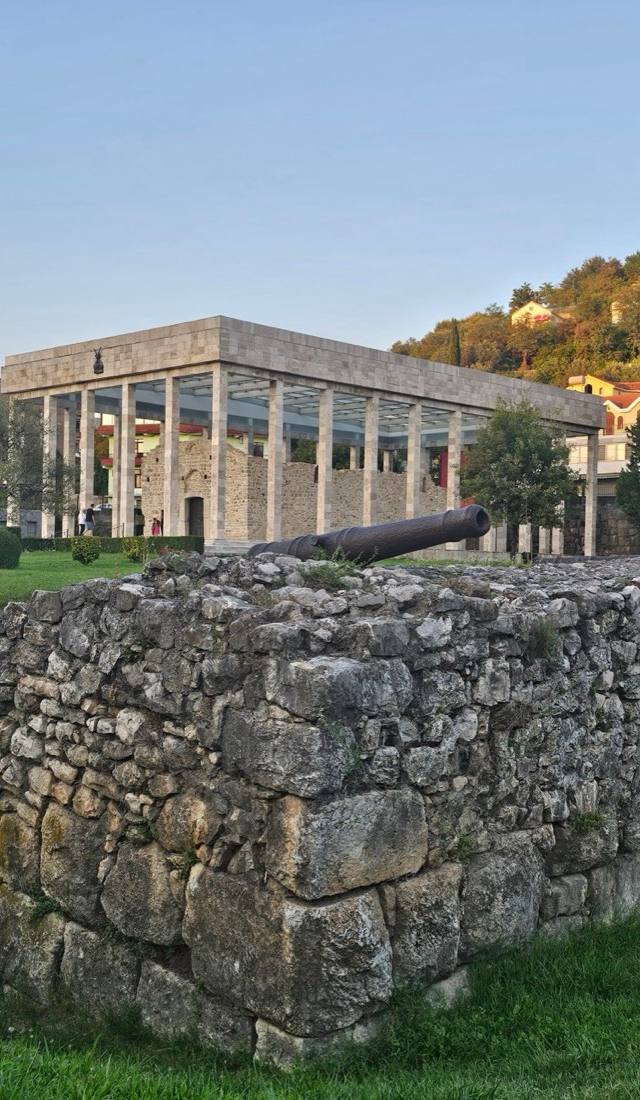
Lezhë Memorial of Skanderbeg
In the quiet town of Lezhë, this modest memorial marks the resting place of Gjergj Kastrioti — Skanderbeg — inside a church rebuilt on the site of the original where he was buried in 1468. A resident guide, or ciceron, walks visitors through the battles and legacy in a short, informative talk, and the church itself, filled with frescoes, draws as much attention as the tomb. Entry costs a token 200 lek for adults, 100 for children and students, a fee a handful of visitors grumble about even as they admit the site's emotional weight is real.
 4.5
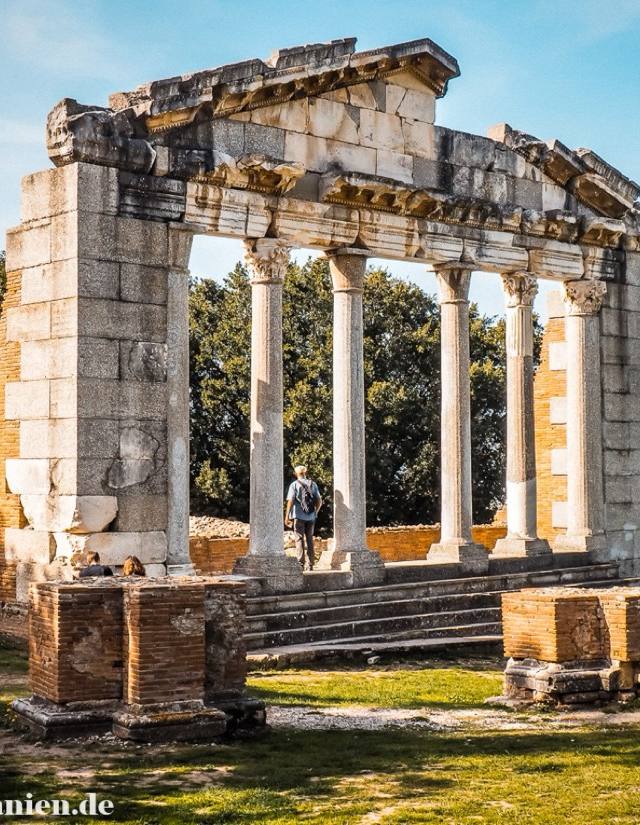
Apollonia of Illyria
Founded by Greek colonists in the 6th century BC and later a favoured retreat of Roman elites, Apollonia spreads across olive-covered hills where a nymphaeum, an odeon and the foundations of a Roman villa still stand among the trees. The site's museum, housed in a well-preserved monastery church, draws praise for its range of artefacts, while the ruins themselves feel unusually uncommercialised for such an important find. At 600 lek a ticket, reviewers rank it among Albania's most underrated archaeological parks.
 Korçë4.4
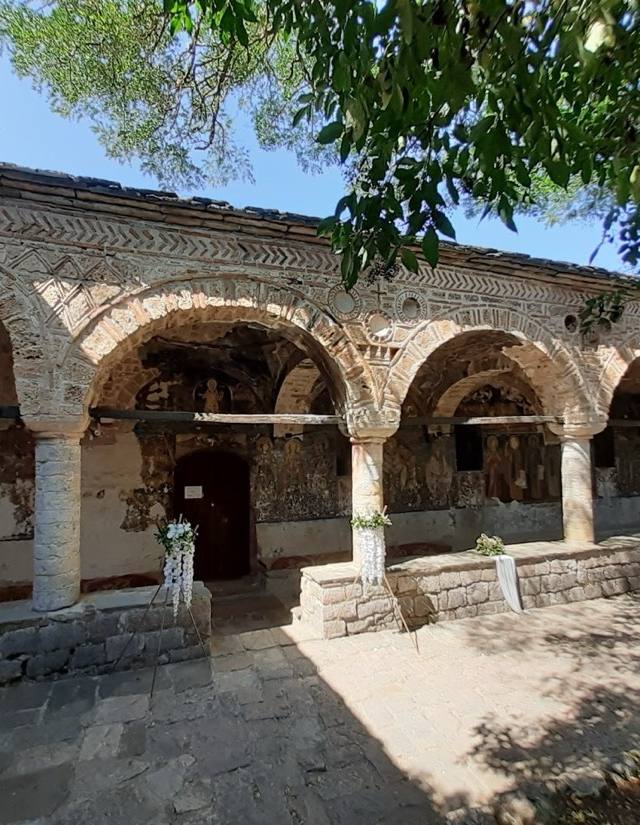
Voskopojë Churches
Voskopojë was once one of the Balkans' great trading towns, and its surviving churches — some still active, others reduced to shells — are the clearest trace left of that wealth. The Church of St. Nicholas, built in 1721, is the standout: a post-Byzantine stone basilica whose mural frescoes have survived three centuries largely intact. Many are kept locked, and visitors often have to track down a key from a nearby house before a resident lets them in to look around, an errand that makes the eventual glimpse of the frescoed interior feel more earned than any open door would.
 Sarandë4.4
Phoenice
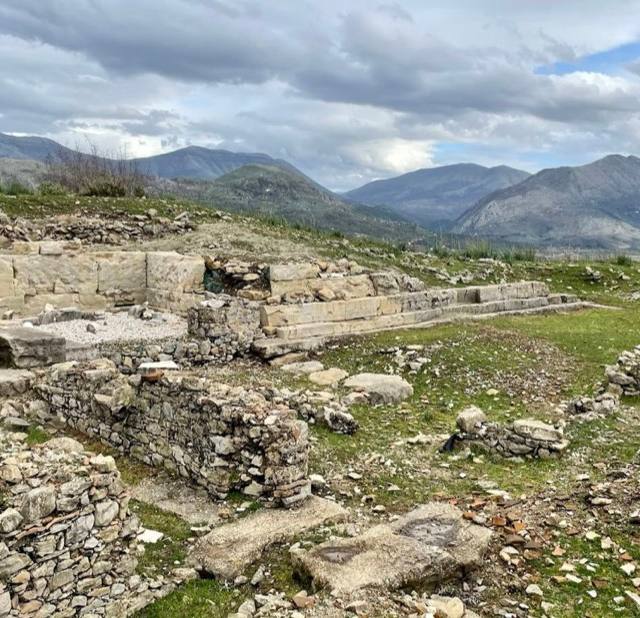
Above the Bistricë valley near Sarandë, Phoenice was once capital of the Chaonian tribe and later a Byzantine stronghold, though only a small fraction of the ancient city has been excavated so far. What draws visitors up the hillside is less the scattered stone than the setting: the theatre sits in a natural bowl with sweeping valley views, best at sunset, and the concrete casemates nearby date from the Cold War, not the wars people often assume. At 300 lek entry and with barely over a hundred reviews, it stays wonderfully uncrowded — a quiet detour from Sarandë rather than a headline stop.
 Gjirokastër4.3
Cold War Tunnel of Gjirokastër
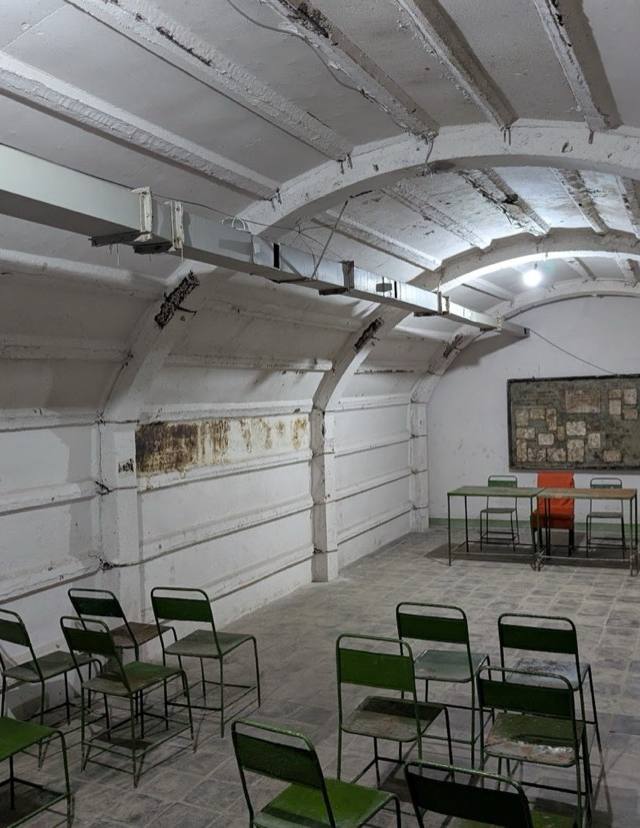
Cut into the hillside below Gjirokastër's Old Bazaar, this Cold War bunker was stocked to keep functionaries alive for two months underground in case of nuclear war, and one guide still walks visitors through with memories of the air-raid drills she ran here as a ten-year-old. Tickets must be bought at the City Hall first, tours leave hourly between 10am and 3pm, and the walk itself is a bare, echoing 15 to 20 minutes past rusted vents and empty rooms; several of the 728 reviewers behind its 4.3 average wish the state had left more of the original furniture in place.
 Tirana4.3
House of Leaves
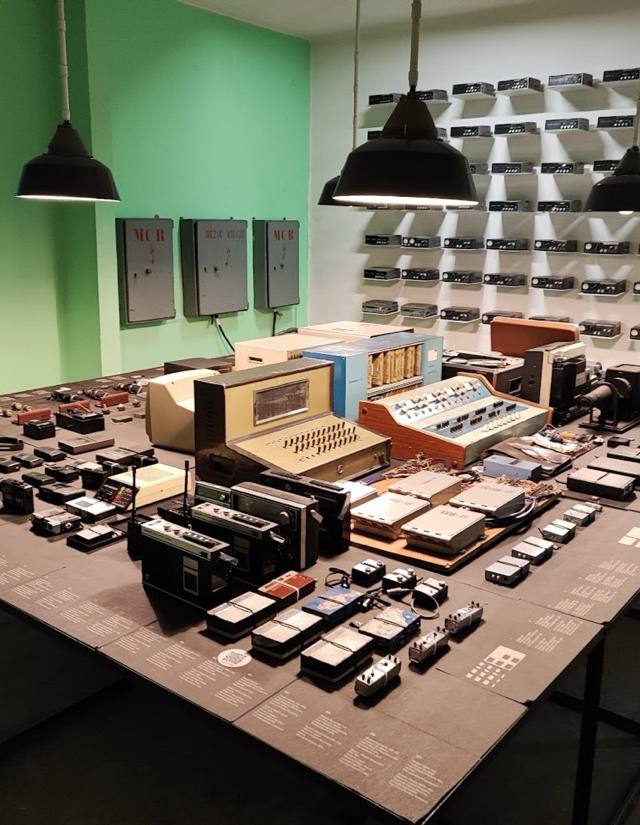
House of Leaves occupies the actual former headquarters of the Sigurimi, Albania's Cold War secret police, on Rruga Ibrahim Rugova — and that authenticity is what visitors keep coming back to. Across 31 rooms you move past wiretapping gear, informer files and interrogation records that turn abstract history into something uncomfortably physical. Reviewers who also toured Bunk'Art 2 tend to rate this one higher, since the surveillance apparatus sat in these very rooms, not a bunker built for the purpose. Entry runs about seven euros, and two hours leave you sobered rather than merely informed.
 Tirana4.3
Bunk'Art 2
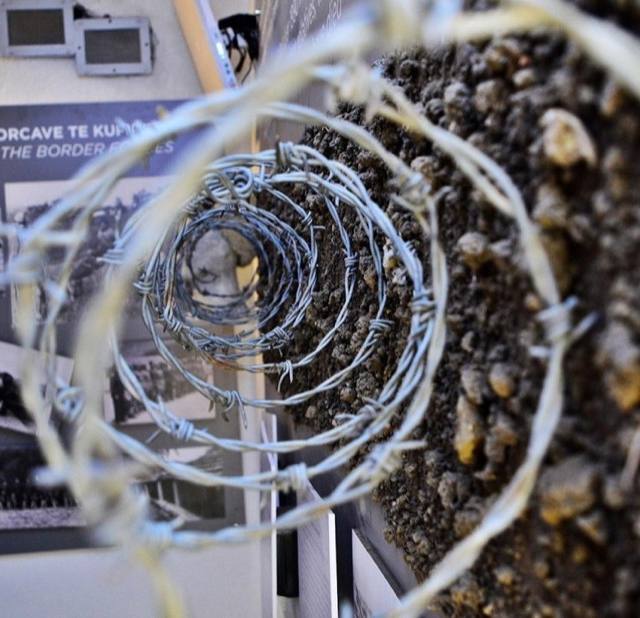
Bunk'Art 2 sits inside an actual Communist-era nuclear bunker on Abdi Toptani street, its narrow corridors lined with panels on the Sigurimi's surveillance state — arrive as doors open, since by midday the passageways bottleneck with tour groups reading paragraph after paragraph. The augmented-reality stations work only intermittently, so skip the extra audio guide and let the boards and objects do the talking. Staff tend to greet first-timers with real warmth, softening an otherwise grim subject. With 4.3 stars from over 9,000 visitors, it rewards an early, unhurried visit far more than a rushed midday one.
 Gjirokastër4.3
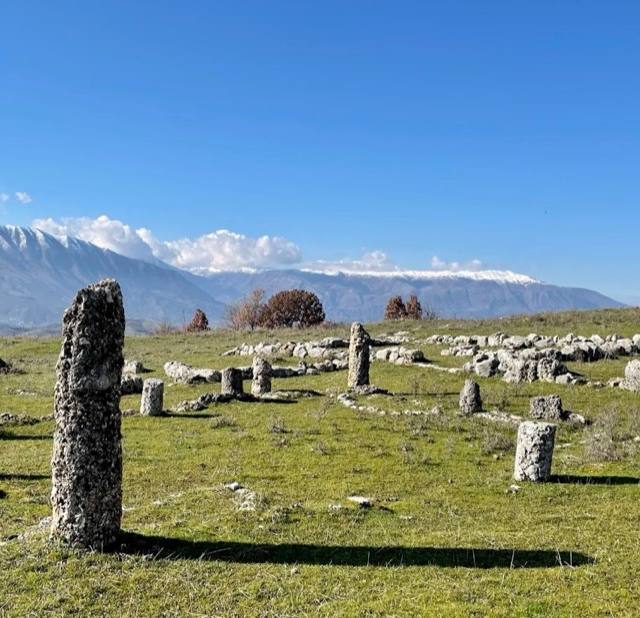
Antigonea
Founded, tradition holds, by King Pyrrhus in honour of his wife, Antigonea spreads across a ridge above the Drino Valley near Gjirokastër, its excavated sections giving way to wildflowers, sheep tracks and long stretches of solitude. April visitors find the site at its most vivid, green and in bloom, though a prized mosaic stays covered and is rarely uncovered for viewing, and the ticket booth is sometimes unstaffed even during posted hours. What it lacks in polish it makes up for in scale and setting — extensive excavated ground, bilingual signage, and views over the valley that reviewers call unforgettable.
 Tirana4.2
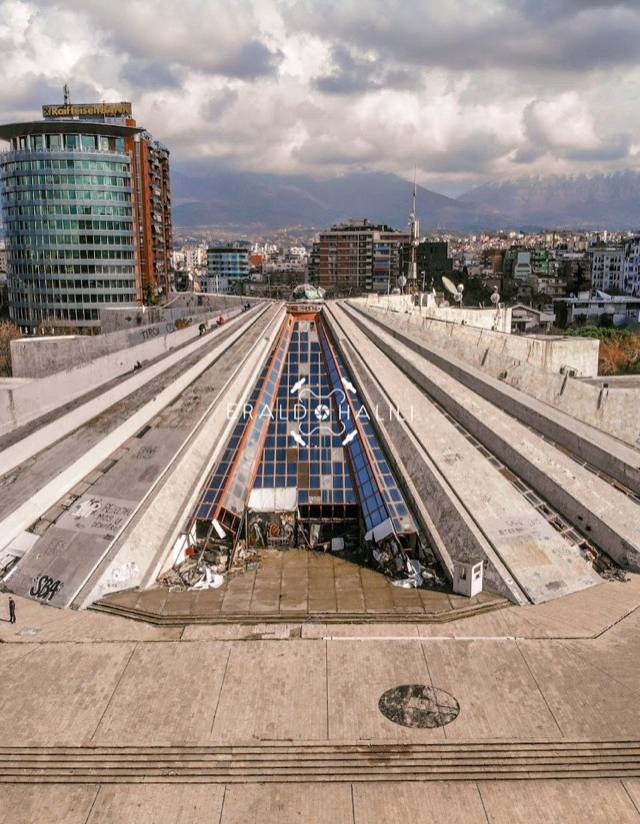
Pyramid of Tirana
Opened in 1988 as a museum honouring Enver Hoxha, this sharply angled concrete structure spent decades as a Cold War relic before its recent transformation into a lively conference and creative space. Roughly a hundred steps lead to the top, a hot climb in summer sun but a reliable draw at dusk, when half of Tirana seems to show up for the panoramic sunset view over the surrounding rooftops. Entry is free, restaurants and cafés now ring the base, and with over 9,400 reviews and a 4.2 average, it has become as much a symbol of the city's reinvention as of its past.
 Durrës4.1
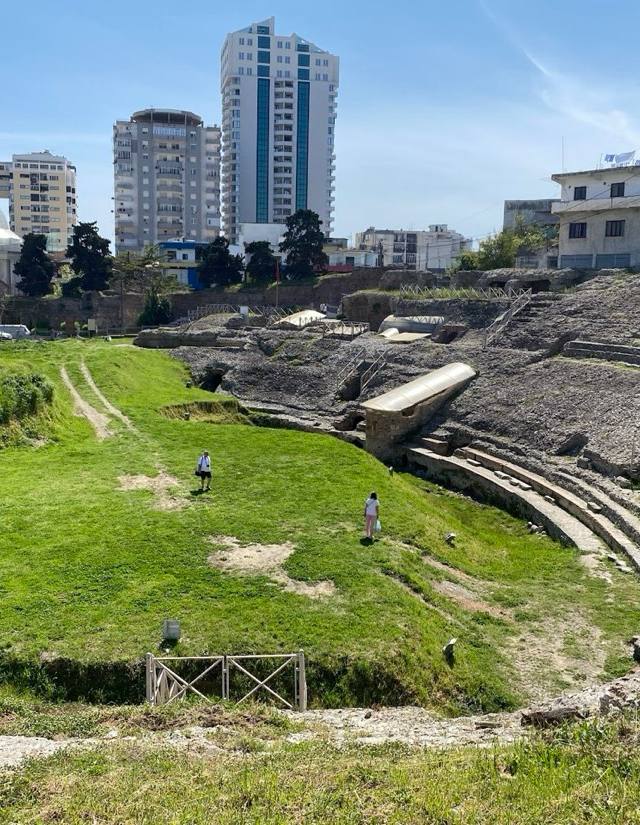
Roman Amphitheatre of Durrës
Tucked into the lanes of Durrës' Old Town, this Trajan-era amphitheatre was built to seat 20,000 spectators for gladiatorial games — the largest such structure raised anywhere on the Balkan Peninsula. Wander the fenced perimeter and you find yourself dropping into cave-like underground passages far larger than the exterior suggests, with fragments of mosaic surviving in a small chapel built later into the ruins. Most of the marble steps were long ago carted off for other buildings, but what remains still rewards an unhurried walk, especially when the archaeological museum nearby is shut.
 Tirana4.1
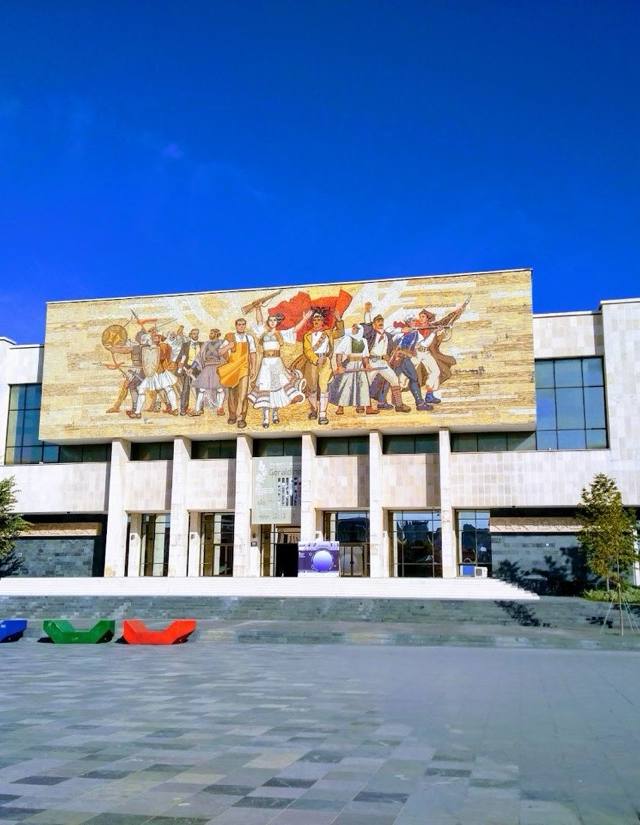
National History Museum
On Skanderbeg Square, in a monumental building raised under Enver Hoxha's regime and inaugurated in 1981, the National History Museum holds Albania's largest collection of artifacts, moving from Illyrian bronze and Roman mosaics through Byzantine icons to the partisan uniforms of the 20th century. Visitors behind the 2,280 Google reviews and 4.1 average routinely lose the better part of a day here; English labeling thins out above the ground floor, and the till still takes cash only.
Plan your trip
Everything you need to get here and get around — vetted partners, booked in a tap.
Book your Albania adventure today
Tours, activities and hotels — all with free cancellation and best-price guarantee. Book now, pay later.
Guided Tours
Day trips, boat tours, food walks and hidden gems in Albania. Skip the line, book ahead.
Browse tours on ViatorTop Activities
Water sports, wine tasting, cooking classes and local experiences in Albania.
Explore on GetYourGuideBook Your Hotel
Compare prices from Booking.com, Airbnb, Hotels.com & VRBO on one map.
Find your perfect stayAffiliate links — we earn a commission at no extra cost to you. This helps keep myAlbania.online free.
Explore more in Albania
Travel guides & tips
All articles →
Common questions about historic sites
Are entry fees standardized?
Most major sites charge €5–10 (Butrint €10, Apollonia €5, Berat castle €4, Gjirokastër castle €5). Bunk'Art 1 and 2 in Tirana are €5 each. Many smaller archaeological sites are free or token €1. Cash is preferred at the gate; cards work at the bigger ones.
Is hiring a guide worth it for archaeological sites?
Yes for Butrint — 3,000 years of layered history is hard to read alone. Yes for Bunk'Art 1 (Cold War context not obvious to outsiders). Less critical for Berat or Gjirokastër castles where signage and audio guides exist. Local guides at site entries cost €15–30 for a 1.5h tour.
Which UNESCO sites does Albania have?
Three: Butrint Archaeological Park, the historic centre of Berat, and the historic centre of Gjirokastër (the latter two combined as one UNESCO listing). Albania also has UNESCO Intangible Heritage entries for iso-polyphony singing and the xhubleta wool dress.