
National parks
Albania's national parks in 2027 — Butrint, Llogara, Theth, Valbonë and the Accursed Mountains.
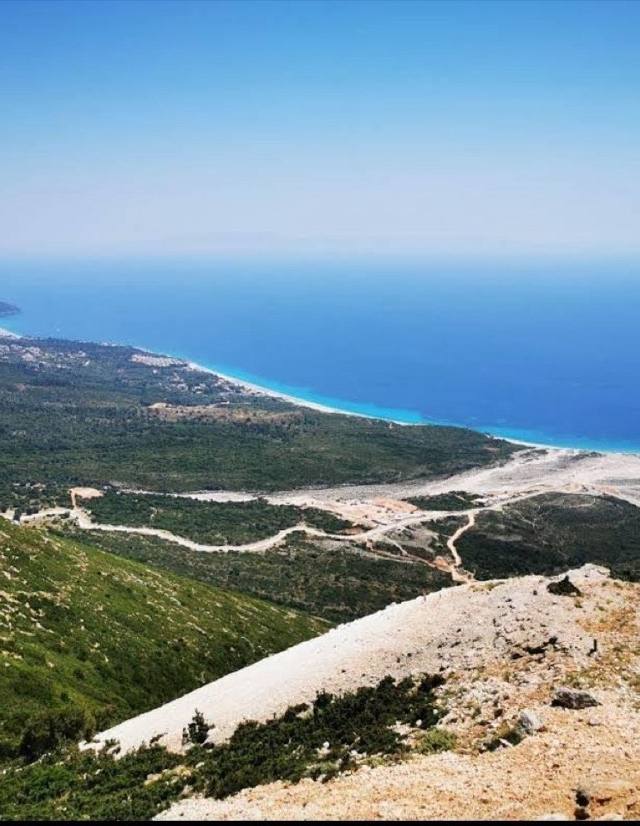
Albania protects a surprising range of landscapes. Llogara drops from pine-forest mountain pass straight to the Riviera in a few switchbacks — the most dramatic road in the country. Theth and Valbonë national parks are the hiking heartland of the Accursed Mountains. Butrint doubles as a national park and archaeological site on a lagoon. Divjakë-Karavasta on the Adriatic is a lagoon famous for its Dalmatian pelicans.
For 2027, the mountain parks are a summer trip (mid-June to early October); Llogara and the coastal parks work most of the year. Listings lead with the best-rated.
 Korçë4.8
Bredhi i Drenovës National Park
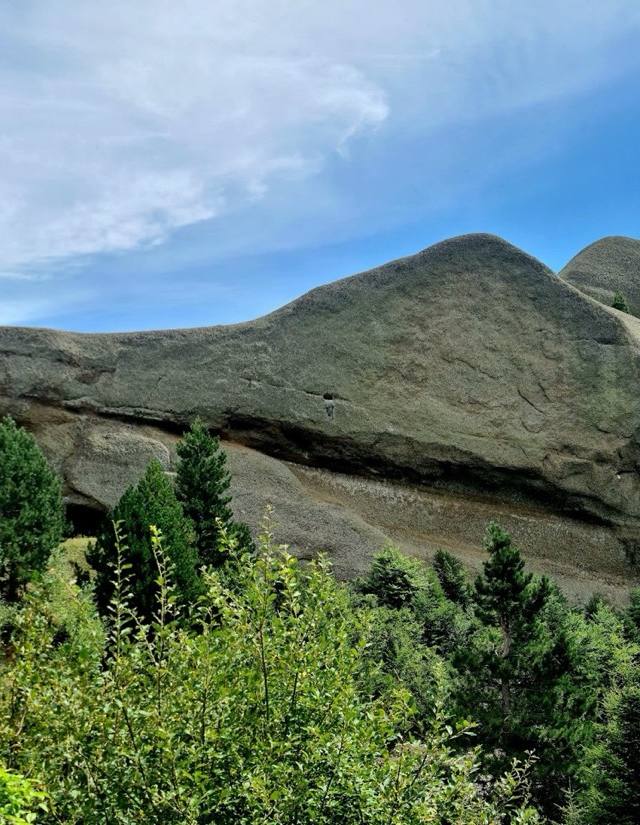
Bredhi i Drenovës, just outside Korçë, is small enough to feel like a well-kept secret rather than a destination — a single easy trail follows a narrow stream through fir forest, gentle enough that reviewers rarely mention difficulty. The catch is the access road itself, rough enough that a 4x4 is genuinely recommended rather than optional; more than one visitor has had to turn back in an ordinary car. Those who make it through describe wide panoramas over fir-covered hills and, afterward, simple local food good enough to remember alongside the scenery.
 4.8
Sotira National Park
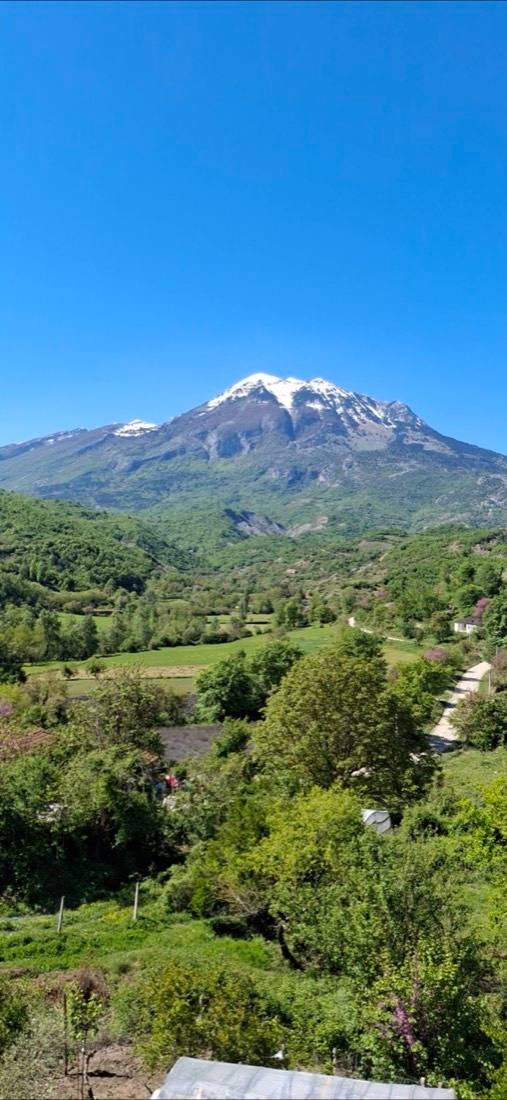
Sotira's waterfall is reached on foot as much as by road: most visitors park in Sotirë village and walk roughly an hour, four to five kilometres, over ground that rewards proper trekking shoes rather than trainers, since even taxi drivers at the trailhead try to talk ordinary cars out of the last stretch. The village gets warm reviews for its welcome and its pomegranates, and depending on season the waterfall appears as one powerful cascade in summer or splits into two after winter rain. With 352 reviews and a 4.8 average, lavender fields along the approach add an unplanned bonus.
 Valbonë4.8
Valbonë Valley National Park
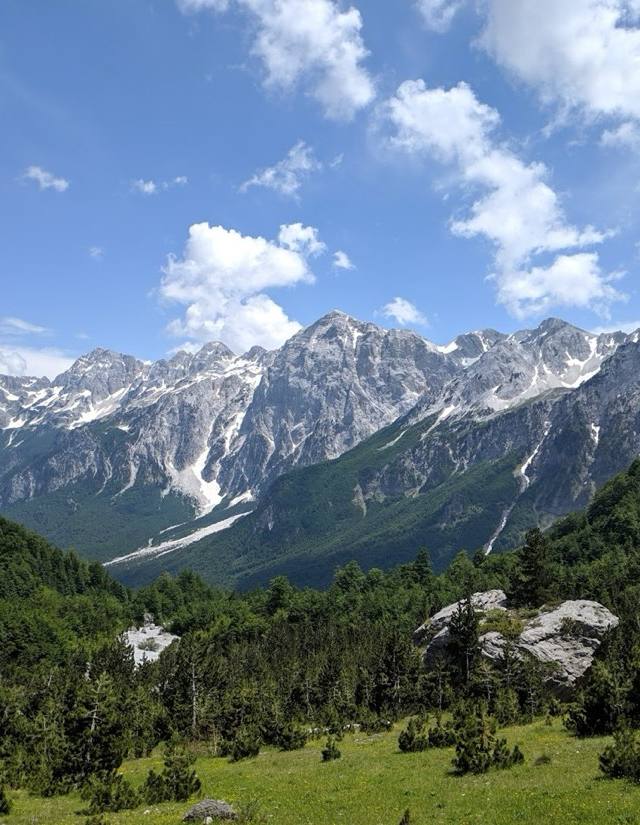
Valbonë sits inside the Accursed Mountains proper, and the scale shows in every review — crystal-clear rivers, dense greenery and ridgelines reviewers call genuinely iconic, with autumn colour that regulars single out as the best time to come. Most hikes here start with at least 600 metres of climbing, so this isn't a stroll, but the one honest complaint recurring across 1,403 reviews is litter: mountain torrents carry down plastic and cans the landscape can't fully absorb. Even so, the valley's reputation as somewhere to properly switch off holds — visitors leave calmer than they arrived.
 Theth4.8
Theth National Park
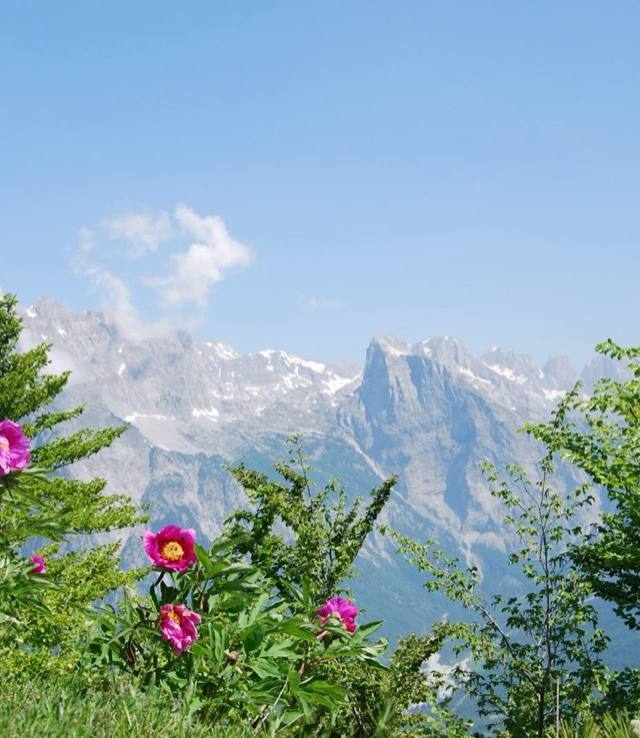
The road into Theth is the first test — single-lane, switchback after switchback, and locals drive it fast, so the descent genuinely rattles first-time visitors even though the tarmac itself is decent. Once there, the short walk to the Blue Eye spring past crystal-clear water is the classic outing, while the fitter crowd tackles the four-hour climb to the mountain pass, a steady uphill grind rewarded with alpine views. A basic riverside restaurant covers a full meal, coffee and drinks for around 15-20 euro, and with 2,124 reviews averaging 4.8, locals now recommend starting hikes before the coach groups arrive.
 Dhërmi4.8
Llogara National Park
The drive up to Llogara is most of the appeal on its own — a relentless run of hairpin bends climbing through pine forest with marked viewpoints along the way, road conditions good enough that reviewers rate it thrilling rather than nerve-wracking. At the top, a new visitor centre has replaced the informal setup, entry runs around 100 lek, and tame deer approach for food sold on-site at roughly 50 lek a packet, with donkeys occasionally wandering across the road. With 2,840 reviews and a 4.8 average, Llogara delivers dramatic Riviera views, cooler mountain air, and paragliding launch points.
 Pogradec4.7
Shebenik-Jabllanicë National Park
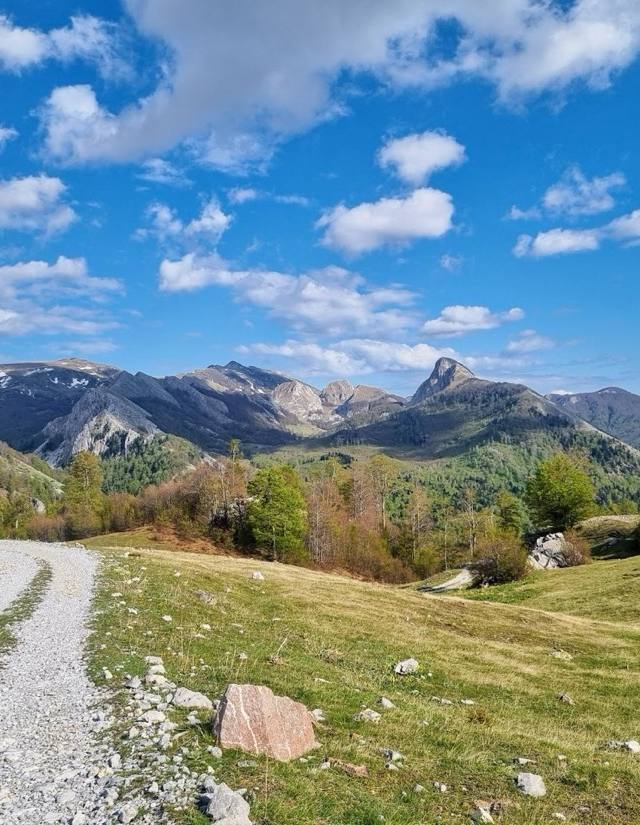
Established in 2008 across roughly 34,500 hectares of Elbasan County near the North Macedonian border, Shebenik-Jabllanicë climbs from around 300 metres to over 2,200, and a recently repaired road now gets visitors there from Librazhd in under 40 minutes. Camping close to the car is genuinely easy here, benches and picnic tables sit near a small lake, and the appeal is less any single landmark than the sheer range of terrain and wildlife packed into one park. Winter access gets difficult, but locals treat it as their default weekend reset — pack out your own rubbish is the one recurring request.
 Berat4.7
Mount Tomorr National Park
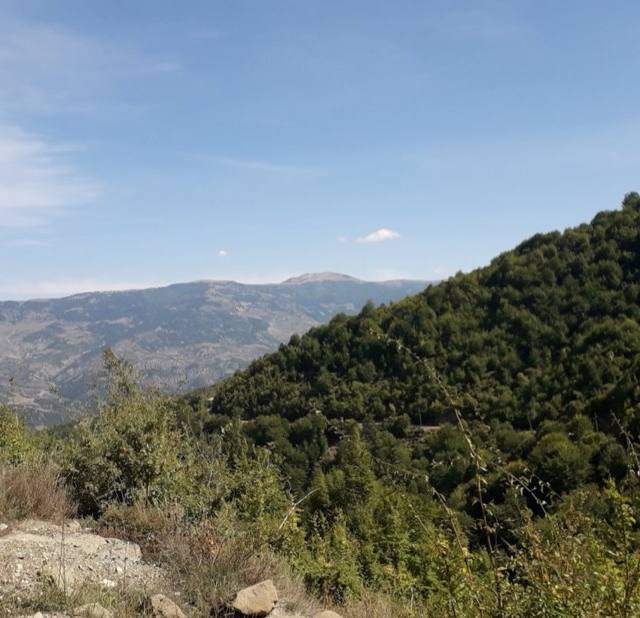
Mount Tomorr carries genuine religious weight — the Bektashi türbe near its summit draws pilgrims, and locals still call the whole ridge a holy place. Hikers starting from Polican describe wild, largely untouched terrain and a punishing but rewarding climb; those driving up from Berat find the route less scenic but say the mountain earns a visit regardless, and the rough middle section of road has turned back more than one hopeful campervan. Near Sotirë village on the Gramsh side, a waterfall and small restaurants serving good, simple food give the mountain — home to wolves and eagles — a gentler side too.
 4.7
Lurë-Mali i Dejës National Park
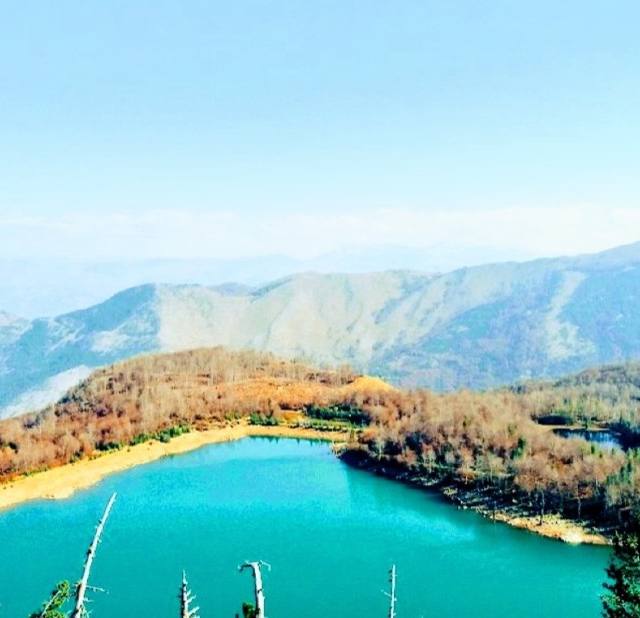
Getting to the Lura Lakes still means around two hours of dirt road from Rrëshen, which is exactly why the park has stayed this quiet — reviewers describe a stillness rare elsewhere in Albania, broken only by wind through pine and beech forest. Since 2018 the protected area has absorbed the former Zall-Gjocaj park, expanding to over 200 square kilometres of valleys and glacial lakes, and a newer paved approach road from Dibër has made the site more reachable. There's little food once inside, so most pack their own snacks; those who reach the lakeshore call it one of Albania's most rewarding corners.
 Korçë4.7
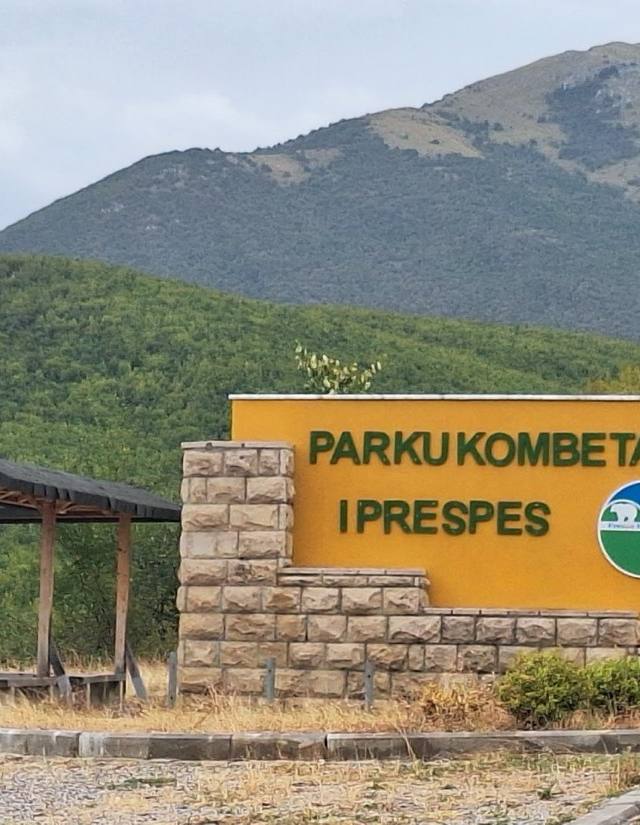
Prespa National Park
Prespa is a genuine tri-border landscape — its lakes stretch across Albania, Greece and North Macedonia, and the Albanian shore near Korçë, about an hour to ninety minutes away, feels noticeably less crowded than beaches most travellers already know. Guided outings with local operators like the Korça Alpine Group pair hiking with kayaking on the lake, and reviewers who arrange a boatman get taken to the small island holding a 14th-century church few visitors know exists. The trade-off for that quiet is a real shortage of on-site information about trails and routes.
 Vlorë4.6
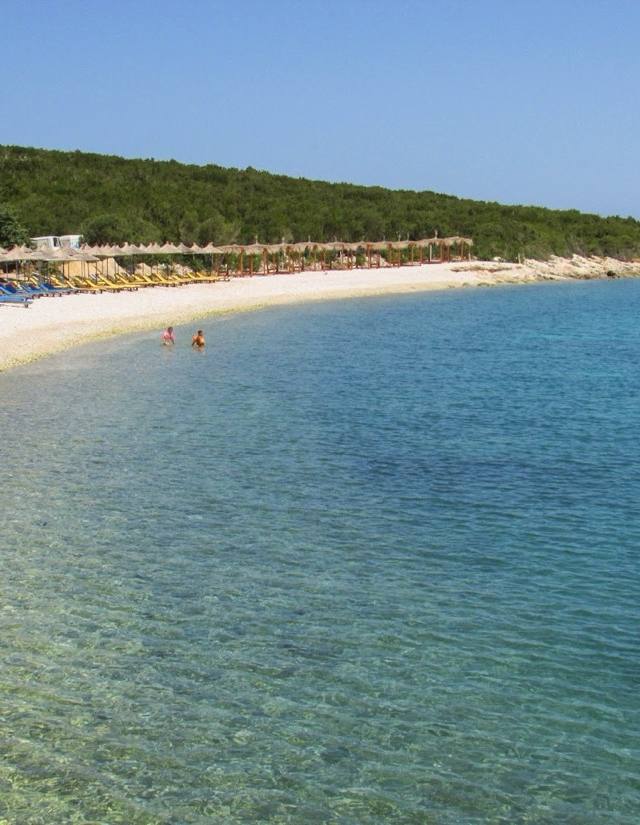
Karaburun-Sazan Marine National Park
Sazan Island — long a closed military outpost, only opened to visitors in recent years — is the centrepiece of this marine park, and it still feels like discovering somewhere few Albanians have properly seen. A speedboat circuit reveals two different coastlines: sandy inlets to the east, and 150-metre limestone cliffs, sea caves and coves nicknamed the Gorge of the Devil and the Bay of Paradise to the west, above waters holding Greek antiquity wrecks, WWII debris and rare red coral. Walkers and mountain bikers can cover the island in a day, arriving through a small, well-kept port.
 4.6
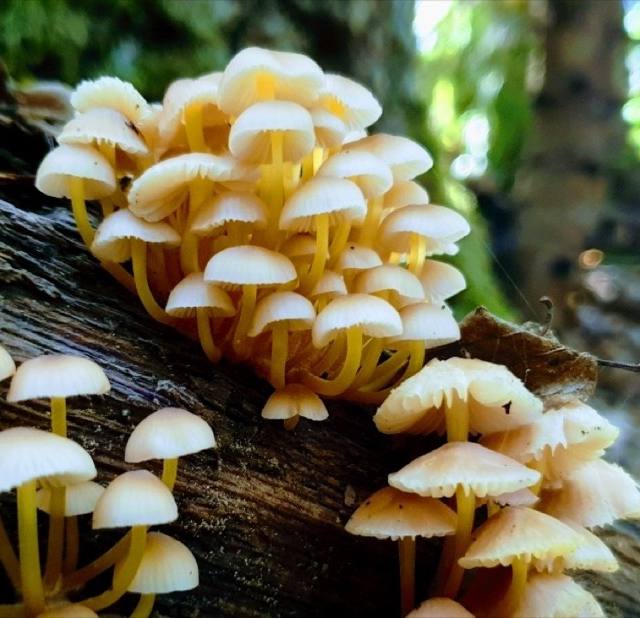
Bredhi i Hotovës-Dangëlli National Park
Reaching Bredhi i Hotovës-Dangëlli near Frashër is half the story: the middle stretch of road turns to rough track, and most visitors arrive in a 4x4 or an old Suzuki Jimmy rather than a rental sedan. The reward is a canyon threaded by a shallow river you can wade across, sulphur springs with a distinct smell (plan to shower after), and nights so dark and quiet that stargazers rate this among Albania's best skies — wolves, bears and foxes roam the fir ridges but are rarely seen. It rates 4.6 from 233 reviewers, most calling the hot walk from the car park worth it.
 Tirana4.6
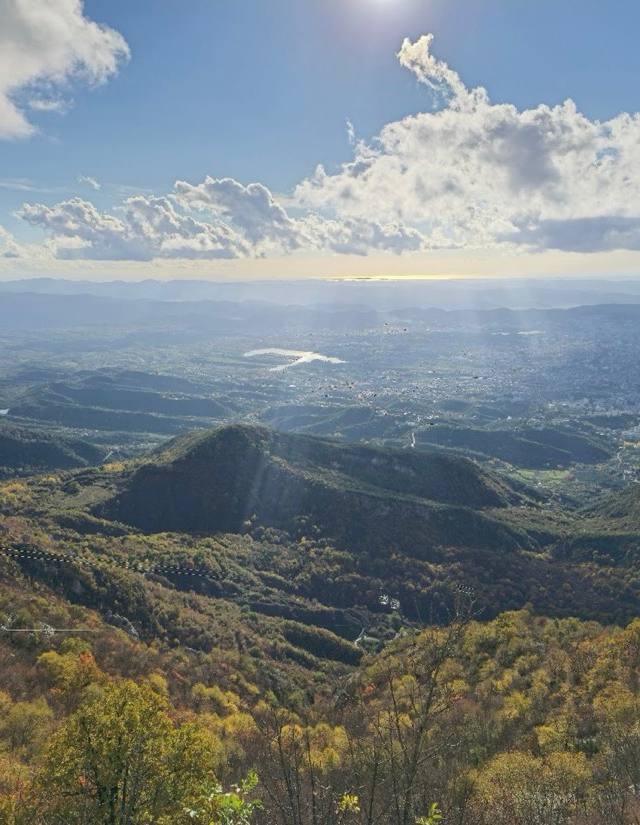
Mount Dajti National Park
Dajti is Tirana's easiest escape — the cable car alone is worth the trip, climbing steadily above the city for views most reviewers say are best just before sunset. Fitter visitors skip the gondola and hike up instead, reporting the same spectacular payoff without the queue, and the mountain is reachable enough by public bus that it never feels like a full expedition. Once at the top, marked trails fan out through forest toward viewpoints and picnic spots, and with 227 reviews holding a 4.6 average, locals treat it as the place they go when Tirana gets too loud.
 Sarandë4.6
Butrint National Park
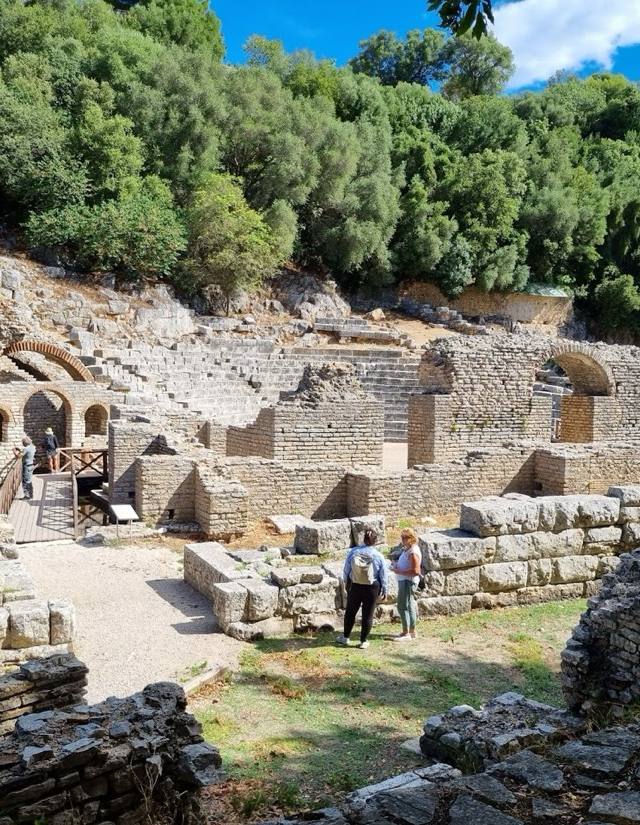
Butrint earns its UNESCO status walking distance by walking distance: Greek theatre, Roman baths, a Byzantine baptistery and a medieval keep sit within walls ringing the whole peninsula, shaded by old olive groves that keep the site cool at midday. Regulars swear by arriving at opening time, before coach parties from Corfu and Sarandë — reachable by local bus for around 200 lek — fill the paths; a QR-code trail map helps navigate the layers of history, and a short boat crossing to Ali Pasha's fortress adds an unexpected coda. With nearly 14,000 reviews averaging 4.6, it's the most-visited site here.
 Durrës4.5
Divjakë-Karavasta National Park
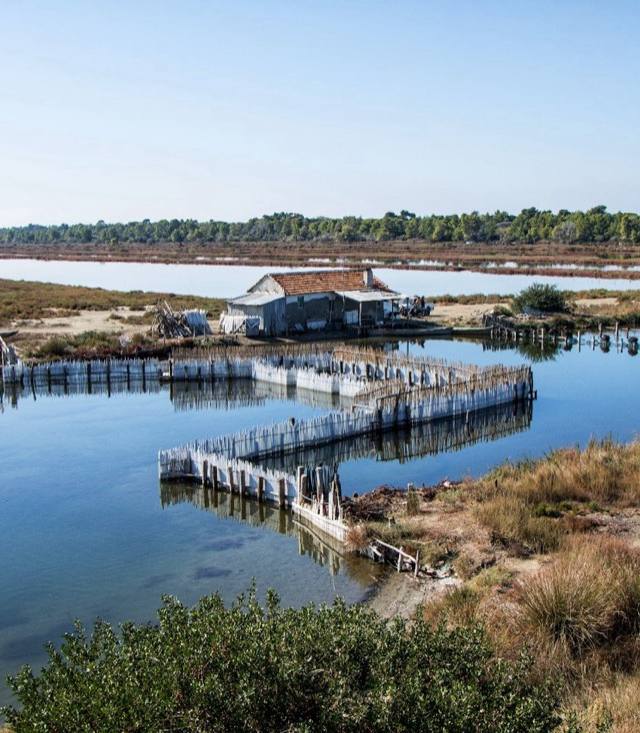
Divjakë-Karavasta's real draw is the Karavasta Lagoon: a shallow, luminous sheet of water backed by pine forest, where Dalmatian pelicans nest in numbers rare elsewhere in the Mediterranean. Cyclists and walkers loop pine-shaded tracks spotting flamingos and egrets, though most visitors flag the same two things — pack repellent, since mosquitoes bite even in cooler months, and the old birdwatching tower has rotted past safe use. Fish restaurants cluster near Kula 360, and lagoon sunsets remain the quiet highlight locals still mention.
Plan your trip
Everything you need to get here and get around — vetted partners, booked in a tap.
Book your Albania adventure today
Tours, activities and hotels — all with free cancellation and best-price guarantee. Book now, pay later.
Guided Tours
Day trips, boat tours, food walks and hidden gems in Albania. Skip the line, book ahead.
Browse tours on ViatorTop Activities
Water sports, wine tasting, cooking classes and local experiences in Albania.
Explore on GetYourGuideBook Your Hotel
Compare prices from Booking.com, Airbnb, Hotels.com & VRBO on one map.
Find your perfect stayAffiliate links — we earn a commission at no extra cost to you. This helps keep myAlbania.online free.
Explore more in Albania
Travel guides & tips
All articles →
Common questions about national parks
Do I need to pay an entry fee for national parks?
Most are free. Butrint National Park (UNESCO archaeological site inside) charges €10 entry. Llogara, Theth and Valbonë access is free, though some specific attractions inside (Theth Lock-in Tower museum, Blue Eye) have small fees of €1–3.
Can I camp inside a national park?
Wild camping is technically restricted but loosely enforced — most rangers tolerate well-behaved tents away from sensitive zones. Designated camping exists in Llogara and at Theth campground. For the Theth–Valbona trail, sleep in village guesthouses; camping the alpine pass is discouraged.
Do I need a guide?
For Butrint and Llogara — no, signage is good. For Theth or Valbonë multi-day off-trail hikes — recommended for safety and route knowledge. Local guides cost €30–80/day. Many guesthouses can arrange one with a day's notice.