
Complete Gjirokastër guide: the stone city
Gjirokastër in short: the Ottoman fortress, tower houses, old bazaar, how to get there, how much time to give it, and pairing it with Blue Eye or Sarandë.
 Tony Denesa·Senior Travel EditorJune 1, 2026· 3 min
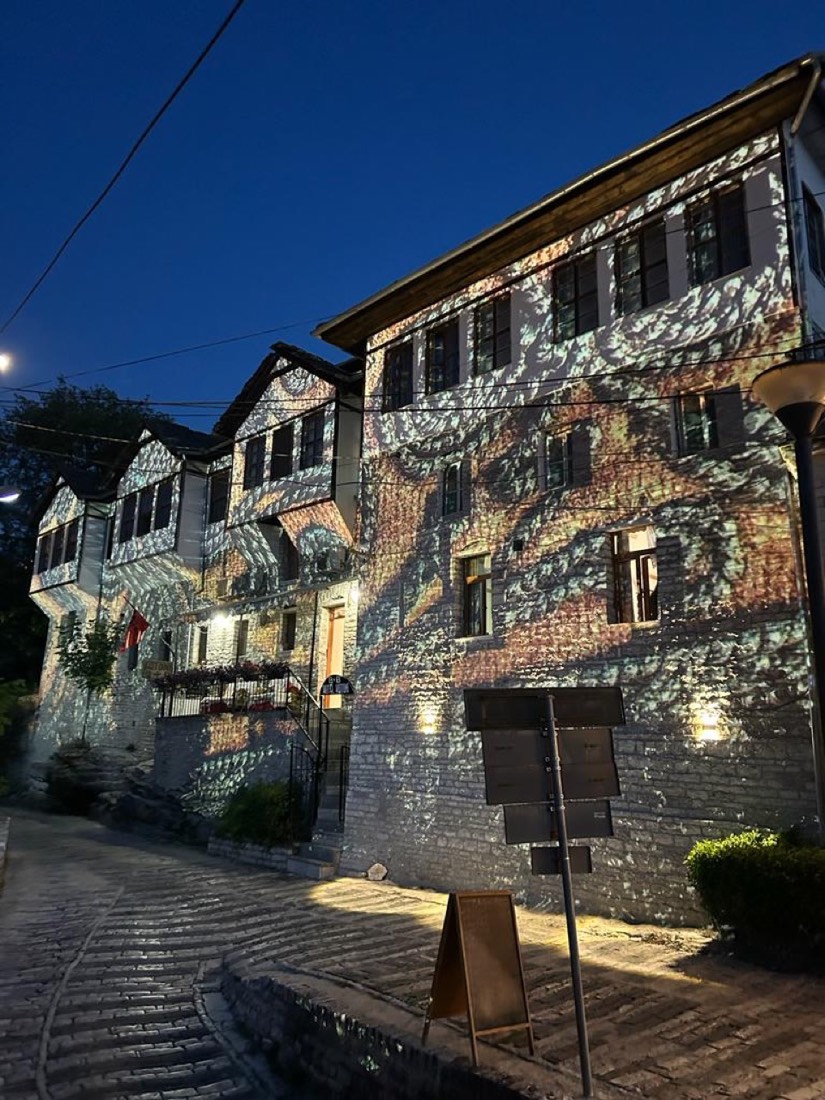
Gjirokastër is Albania's other UNESCO stone town — grey slate roofs stacked on a hillside above the Drino valley, a fortress the size of a small district, and Ottoman tower houses that feel pulled from another century. It's the natural stop between the Riviera and the Blue Eye Spring, or a destination worth its own day.
Why it's worth the detour
Listed by UNESCO in 2005 (extended in 2008 alongside Berat), Gjirokastër earned its "stone city" nickname from slate-tiled roofs (rrasë) and steep cobbled lanes climbing toward the castle. It's the birthplace of novelist Ismail Kadare and, more controversially, communist dictator Enver Hoxha — recent history shows up everywhere, from Cold War tunnels to the museum displays inside the fortress.
The castle — one of the Balkans' largest
The hilltop castle dominates the town and surrounding valleys, a maze of passages behind massive walls. Inside sits the National Museum (weaponry spanning Ottoman to communist eras) and, a genuine Cold War curiosity, a captured American reconnaissance plane displayed as a trophy by the former regime. Every few years, the fortress hosts Albania's National Folklore Festival, the country's biggest folk-arts event. Budget 1–2 hours; the climb is a bit of a workout, but the view over stone rooftops earns it.
The old bazaar and tower houses (kulla)
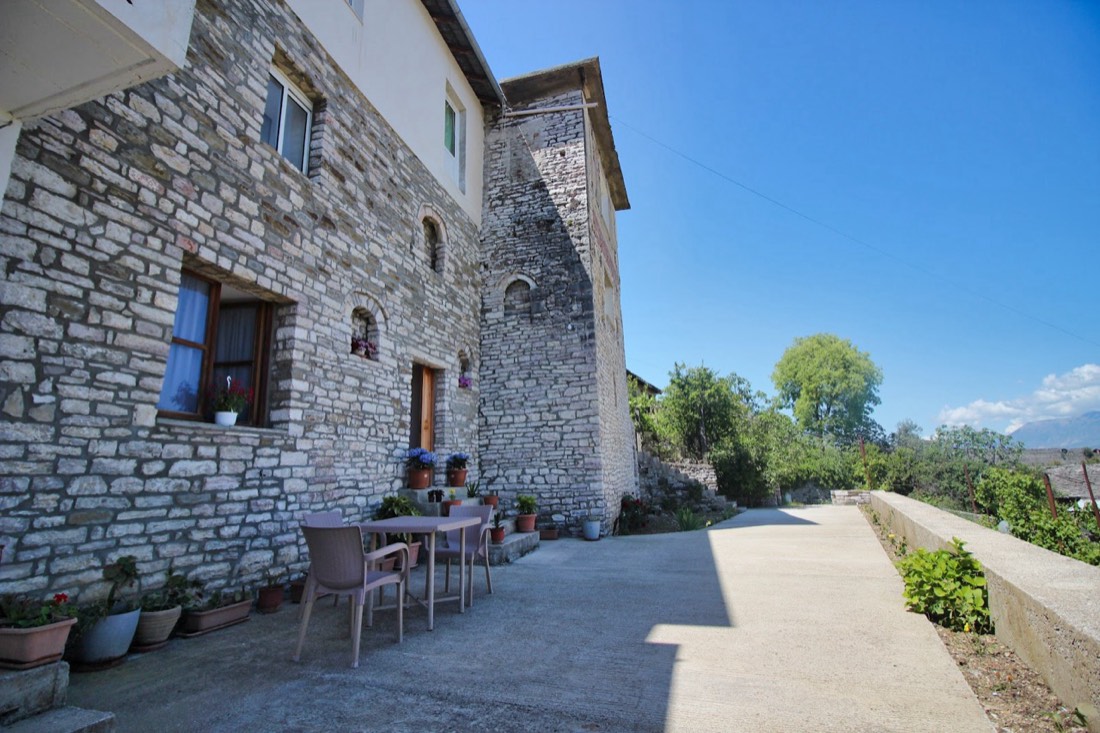
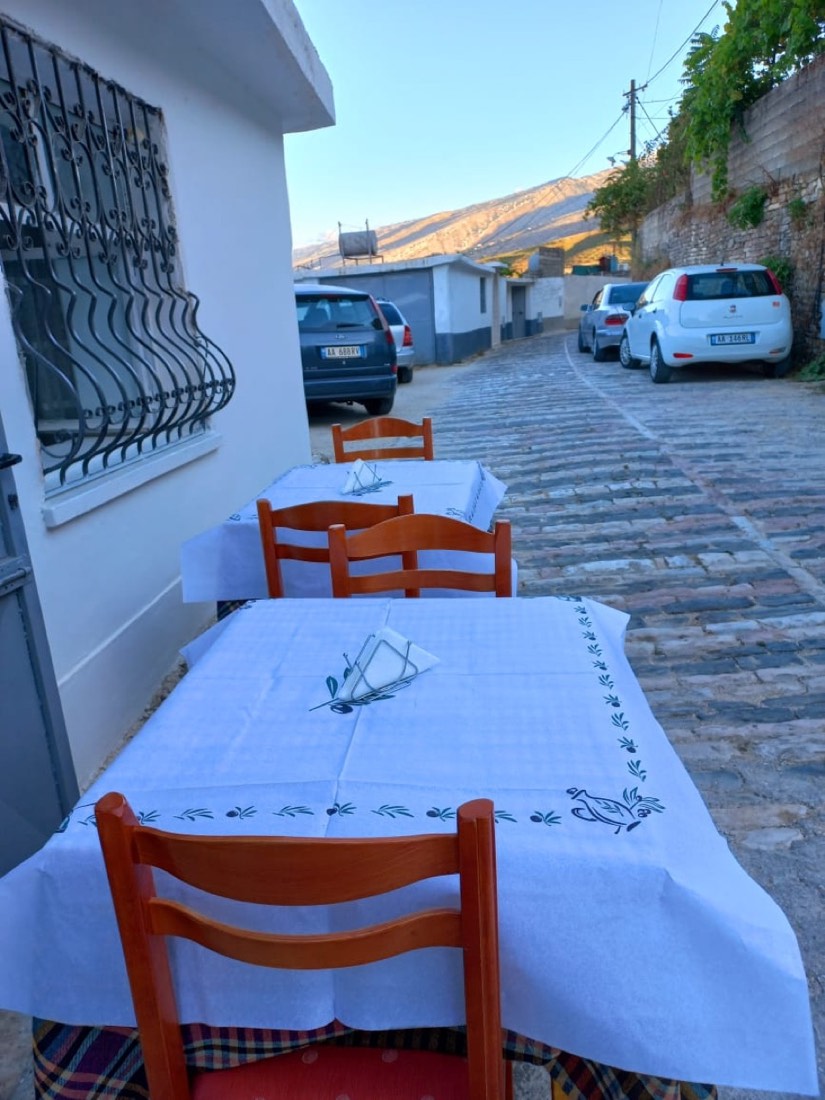
Pazari i Vjetër, the restored Ottoman bazaar, is the lower town's heart: silver and copperware workshops, terraces, local textiles and souvenirs. From here, lanes lead up to the kulla — Gjirokastër's signature architecture, fortified stone tower-houses built for defence and extended-family living alike. Zekate House is the best-known and most-visited example, with carved wood interiors and painted ceilings, open as a museum with a separate ticket.
The Cold War tunnel
Beneath the town, a bunker-tunnel built for the communist elite in case of nuclear attack is now partly open to visitors — a short but eerie window into the paranoia of the Hoxha era.
Getting there and what to combine it with
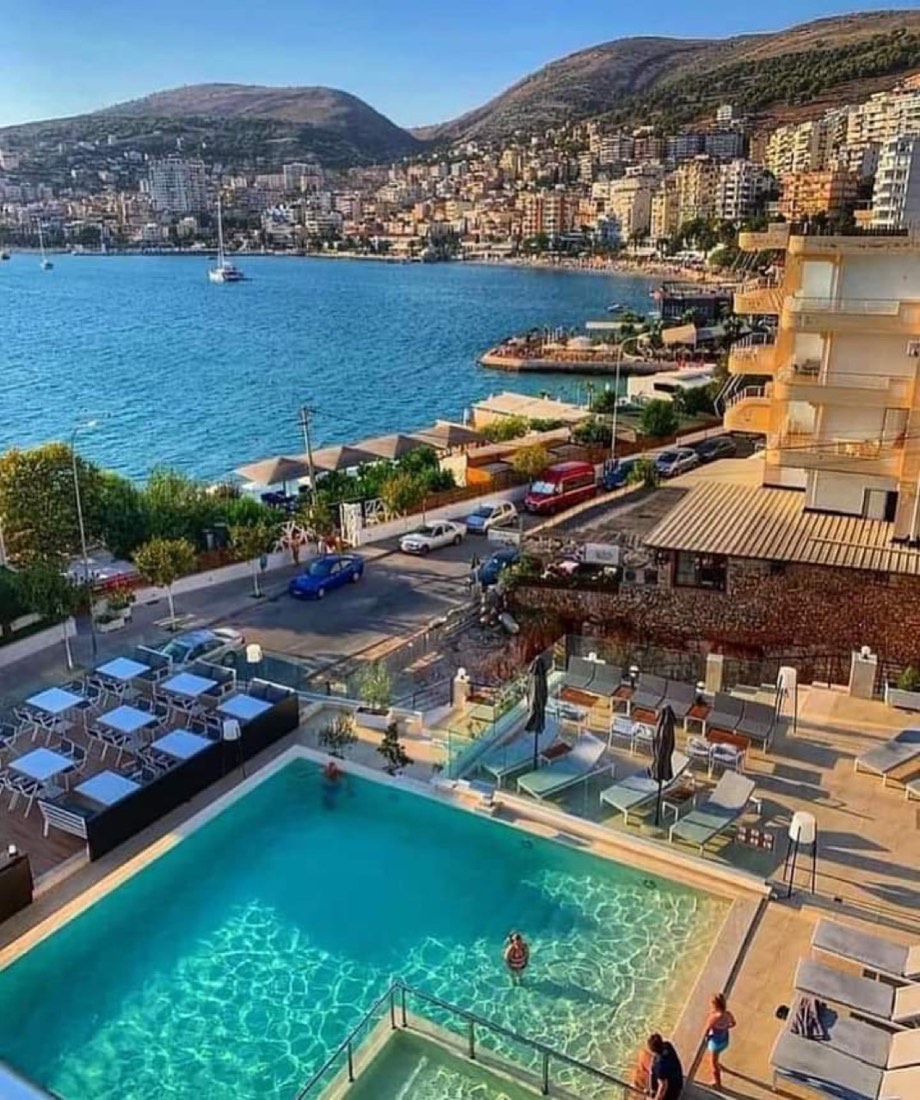
Gjirokastër sits about 230 km, roughly 4 hours from Tirana — more of a road-trip stop than a day trip from the capital. It pairs naturally with the south instead: the Blue Eye Spring (Syri i Kaltër) is about 30 minutes away, and Sarandë 1–1.5 hours. Most visitors see it either as a stopover between the Riviera and Tirana, or as a day trip from Sarandë with a Blue Eye stop en route.
How much time to give it
Half a day — 3 to 4 hours — covers the castle, bazaar and a walk through the old quarter, and is the most common plan for visitors coming from Sarandë for the day. But the town changes completely in the evening, once the tour groups leave: quiet stone lanes and warm window light are the reason to add a night if your route allows.
Where to stay and eat
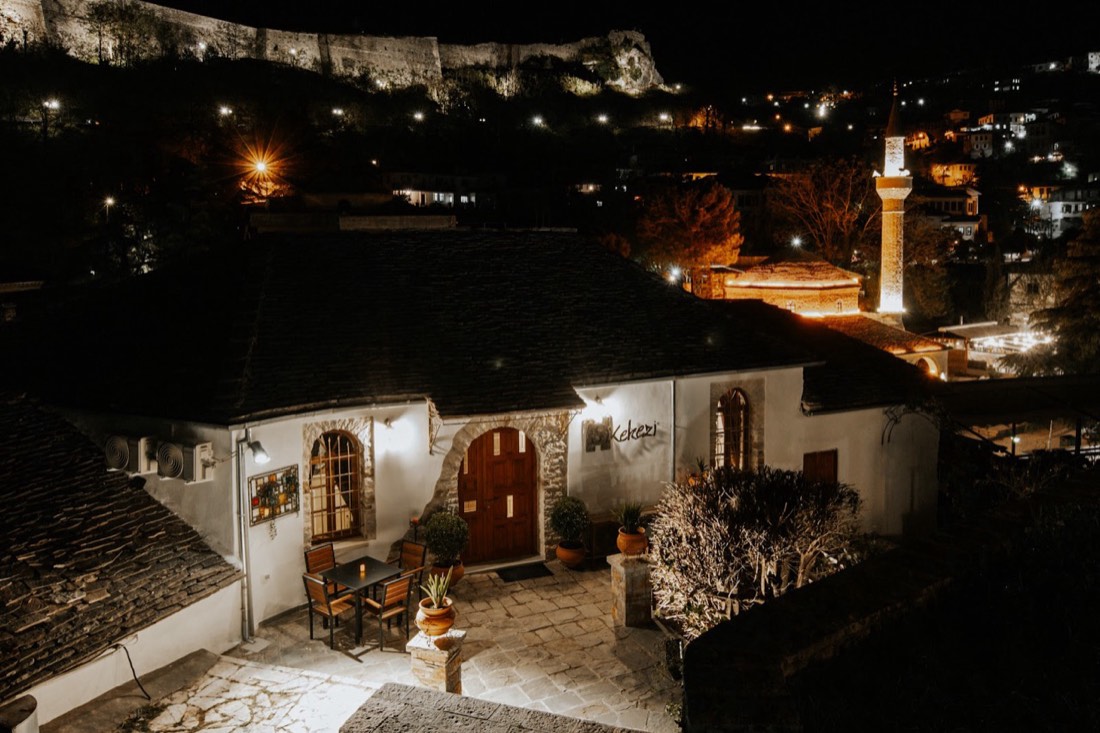
The most memorable stays are tower houses converted into boutique guesthouses right in the old town — rooms are limited, so book ahead in season. For food, look around the bazaar: try qifqi (fried spiced rice balls, a Gjirokastër original) and oshaf (a traditional dessert made with dried figs or plums). Byrek and tavë kosi appear, as everywhere in the south, on nearly every menu.
Verdict
If you're driving to or from the Riviera, Gjirokastër is a mandatory stop, not an optional one — it pairs naturally with the Blue Eye Spring as a single day trip from Sarandë. For travellers who want more than a photo stop, one night in the old town after the tour groups leave shows the authentic version of the "stone city."