
Albanian Food Guide — 15 Dishes You Have To Try
What to eat in Albania — 15 traditional dishes from byrek and tavë kosi to Riviera seafood and raki. Where to find each one and what to expect.
 Tony Denesa·Senior Travel EditorJanuary 31, 2026· 2 min
Albanian food is what happens when Ottoman, Italian, Greek and mountain-village cooking share five hundred years and one small country. It is generous, unfussy and built on excellent raw ingredients — sun-heavy vegetables, mountain lamb, sheep's-milk cheese, southern olive oil. Here are the dishes worth planning your meals around.
The everyday staples
Byrek is the national reflex: flaky layered pastry filled with salty cheese (gjizë), spinach or minced meat, sold from bakeries on every corner and eaten hot for breakfast.
Tavë kosi, the closest thing to a national dish, is lamb baked under a thick blanket of yogurt and egg until it sets like a savoury custard — born in Elbasan, found everywhere.
Fërgesë is a skillet of peppers, tomato and fresh cheese, sometimes with liver, scooped up with bread; the Tirana version is a must.
Qofte — small grilled or fried meatballs, often seasoned with mint or oregano — are the default snack beside a beer.
Comfort food and slow cooking
Look for speca të mbushur (peppers stuffed with rice and herbs), japrak/sarma (vine or cabbage leaves rolled around rice), and comlek, a slow beef-and-onion stew that turns dark and sweet. In clay-pot restaurants ask for tavë dheu, meat baked in an earthenware dish.
Mountain tables bring flija, a spiral of thin batter layered with cream and cooked over coals — a celebration food of the Alps.
Regional and seasonal specialities
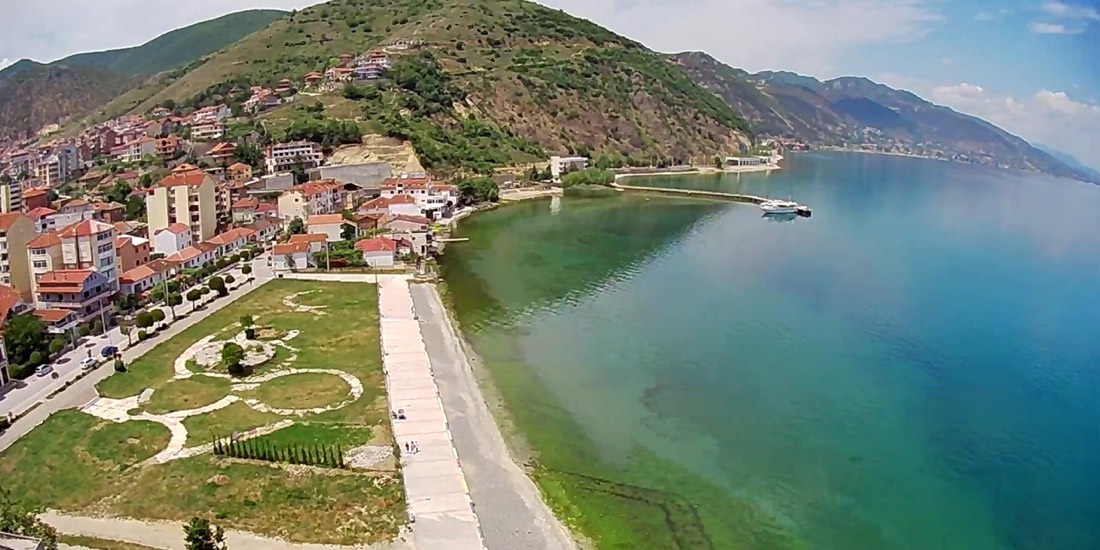
- Koran — the prized trout of Lake Ohrid, grilled simply in Pogradec.
- Riviera seafood — Ionian octopus, mussels, sea bass and whatever came in that morning, best in Himarë, Sarandë and Ksamil.
- Petulla — fried dough eaten with honey, jam or cheese, a beloved breakfast.
- Përshesh, mish në hell (spit-roast lamb) and fresh village cheese round out the highland spread.
Finish, as Albanians do, with raki — the homemade grape or mulberry spirit poured at the start and end of every meal — and a slow espresso. Eat where the menu is short and handwritten, follow the local lunch crowds, and never refuse the offer of something from the host's own garden.