Renting a car in Albania: complete 2026 guide
What renting a car in Albania really costs, where to pick one up, which insurance to choose, and what to watch for on the road and at drop-off.
 Tony Denesa·Senior Travel EditorJune 10, 2026· 4 min
Public transport in Albania covers the main routes between cities, but it doesn't reach the places you actually want to see: villages in the Albanian Alps, the quieter beaches of the southern Riviera, mountain monasteries, or the winding pass road over Llogara. If your trip runs longer than four or five days and you want to see more than Tirana and one coastal town, a rental car stops being a luxury and becomes the difference between a good trip and a great one.
Why you need a car
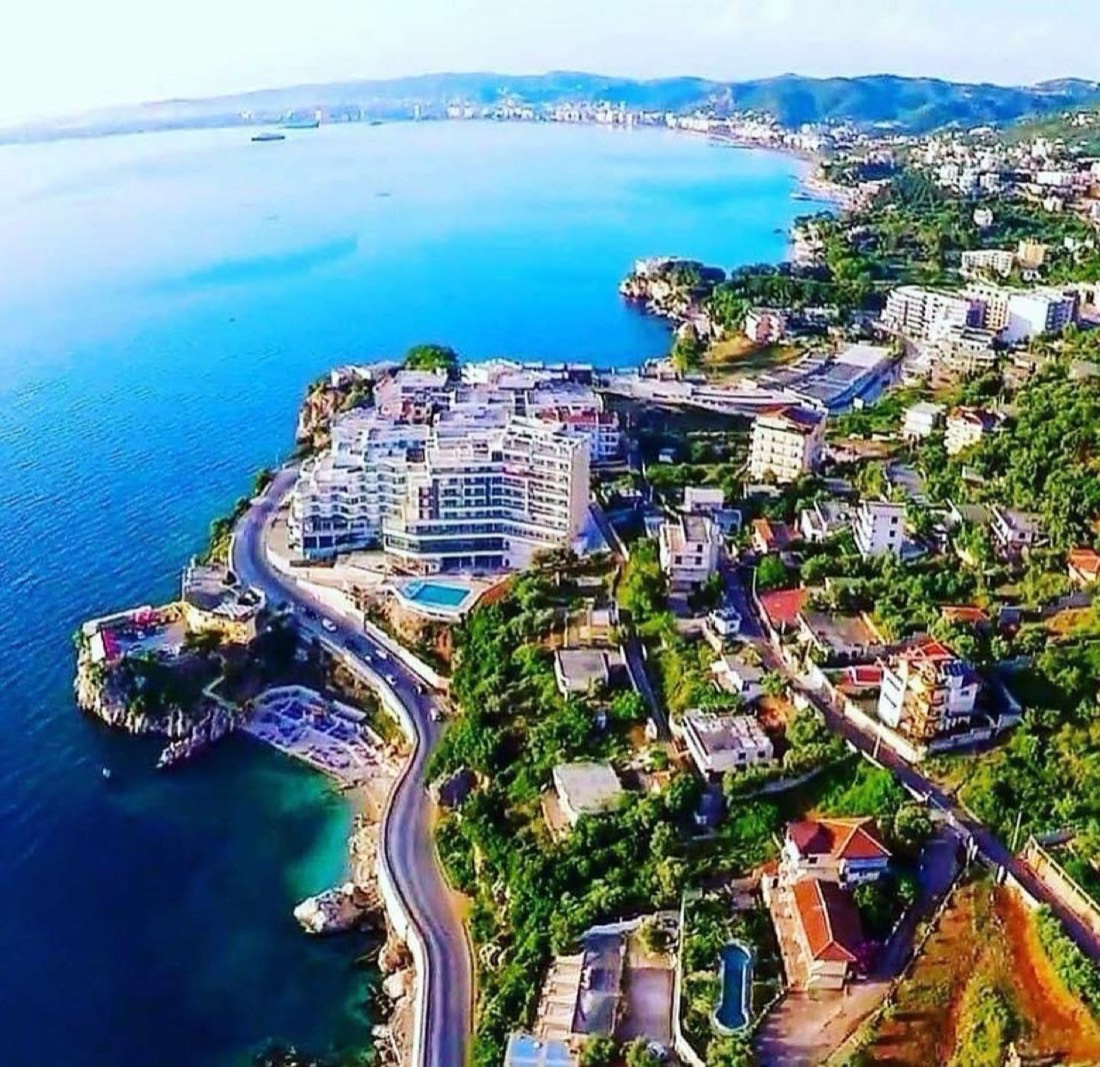
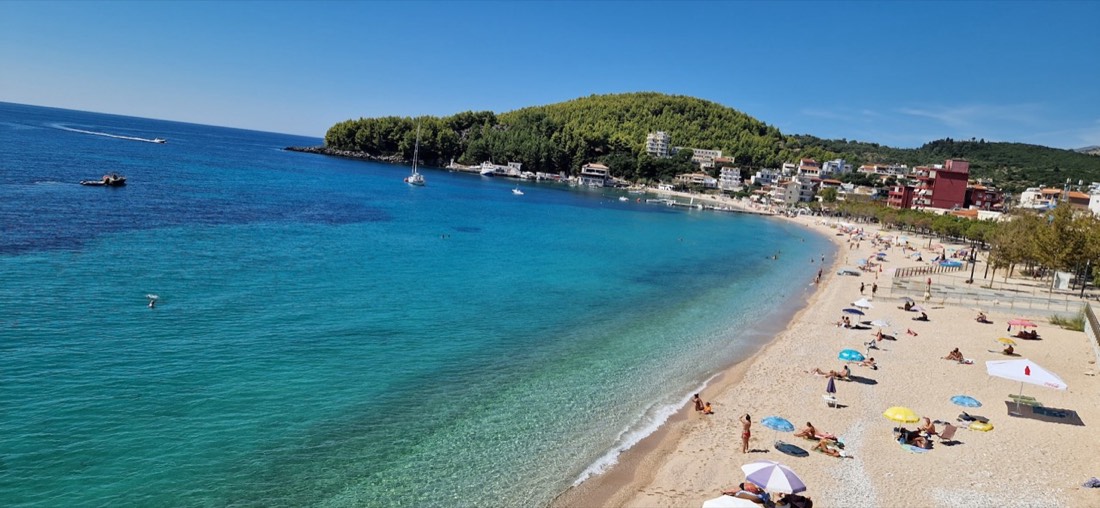
Furgons (shared minibuses) run the main intercity routes, but schedules are informal, frequency drops in the afternoon, and popular spots like Ksamil, Theth, Valbonë or Voskopojë have sparse or no service outside peak season. The southern coast — Vlorë, Himarë, Dhërmi, Sarandë — is strung along a single coastal road, and having your own car means stopping wherever you like instead of wherever the bus does.
Where to rent
Tirana's airport (Rinas, code TIA) has the international chains — Sixt, Europcar, Avis, Hertz — and is the simplest option if you're flying in: fast handover, English contracts, clear policies, at a slightly higher price than in-town rentals.
Local agencies in central Tirana or other larger cities often undercut that by 20-30%, but check recent reviews before booking — quality varies a lot between operators, and the insurance excess (what you lose in case of damage) can be far higher at smaller agencies.
What it costs
A compact manual car typically starts around €20-30/day in the off-season, rising to roughly €35-50/day in July-August. SUVs and automatics cost noticeably more, especially in summer when coastal demand spikes. Booking one to two months ahead for the summer season locks in significantly better rates than booking last-minute.
At pickup, most agencies hold a deposit on a credit card (not debit) — usually a few hundred euros — released after the car comes back undamaged.
Insurance
Basic collision damage waiver (CDW) is included almost everywhere, but comes with an excess that can be steep — sometimes €500-1000 for unspecified damage, tires, or windshield. Many agencies offer a paid add-on that reduces the excess close to zero — worth calculating if the daily cost is less than the risk of a minor scrape.
Check explicitly whether the policy covers tires, the windshield, and the underbody — mountain roads are full of potholes and loose stones, and these are exactly the items smaller agencies tend to exclude.
Driving in Albania
Main roads have improved a lot in recent years — the highway between Durrës and Tirana, and the route toward Kukës and the Kosovo border. But the coastal SH8 road between Vlorë and Sarandë climbs over the Llogara Pass, a long series of mountain switchbacks — spectacular, but slow going; don't judge the drive time by the distance on the map alone.
Speed limits generally run around 40 km/h in towns, 80-90 km/h on open roads, and higher on the highway — speed cameras exist on secondary roads too, not just motorways. Fuel stations are frequent on main routes but sparser in remote mountain areas, so don't let the tank run low before heading to Theth or Valbonë.
Parking in historic centers like Berat and Gjirokastër is limited, often on steep, old cobbled streets — a small car handles this much better. In Tirana, the center has clearly marked paid parking zones.
If you're planning to cross into Montenegro, Kosovo, or North Macedonia with the rental, tell the agency in advance — some restrict cross-border travel or require extra paperwork (a green card).
Pitfalls at pickup and drop-off
Photograph and video the car from every angle before leaving the lot, including wheels, windshield, and the dashboard (mileage, fuel level). Confirm the spare tire, warning triangle, and safety vest are present — legally required and sometimes missing at smaller operators.
At drop-off, insist on being present while staff inspect the car — scratches "discovered" after you've left are the most common source of disputes. Return the car with fuel at the agreed level (usually full) — the shortfall gets billed at a rate well above pump price.
Verdict
For a family road trip with luggage and kids: a mid-size car or small SUV, ideally automatic, booked early straight at the airport. For a couple driving the Riviera's scenic route: a compact manual is enough and easier to handle on the Llogara switchbacks. For budget travelers sticking mostly to cities: a small local agency can be cheaper, as long as you check the insurance excess before signing.